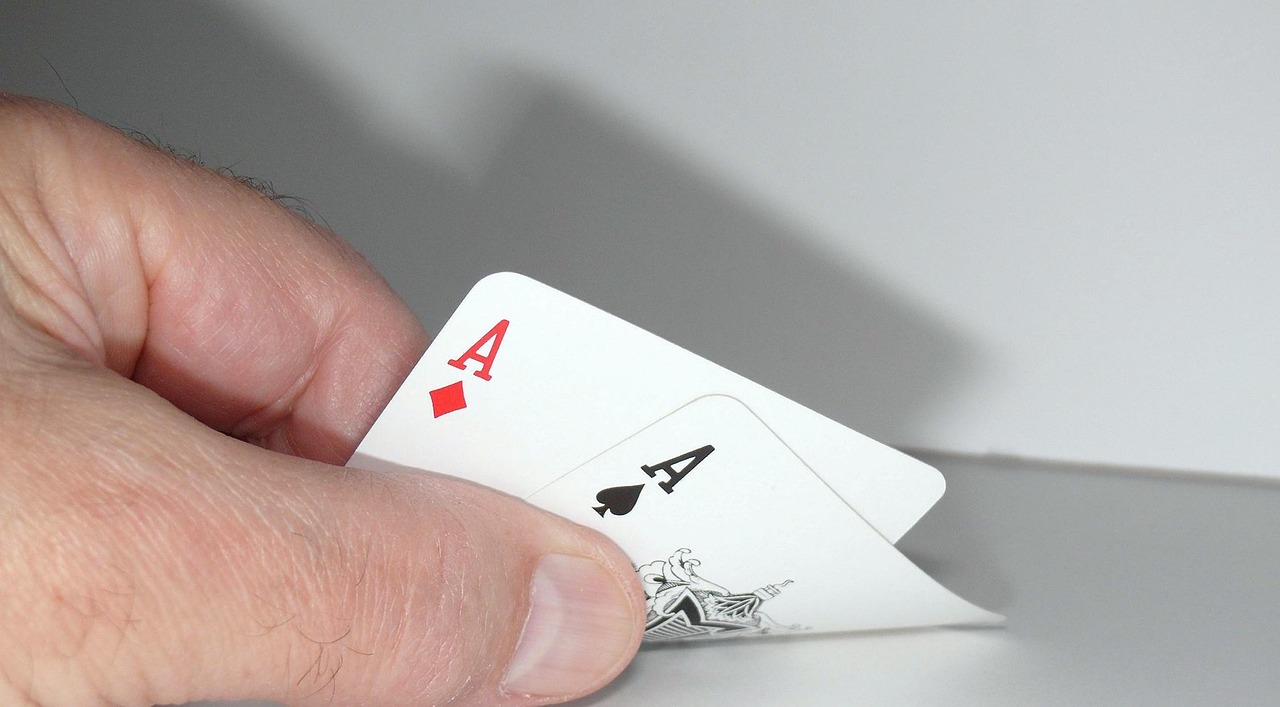
You’ve seen the flashing lights, the endless stream of bonuses, and the promise of a life-changing jackpot. But let’s cut through the noise. iGaming isn’t just about luck; it’s about understanding the mechanics, managing your bankroll, and knowing exactly where the house edge works against you. Whether you’re spinning slots, grinding poker tables, or betting on the big game, the difference between a hobby and a bleed is usually knowledge. Here’s how to play smarter without falling for the hype.
Slots: It’s Not About Hot or Cold, It’s About RTP and Volatility
Every slot machine runs on a Random Number Generator (RNG). The idea that a machine is “due” for a payout is one of the most persistent myths in gambling. The reels don’t remember your last spin. What actually matters is return to player (RTP) and volatility.
RTP is the theoretical percentage of all wagered money that a slot pays back over millions of spins. A 96% RTP slot returns €96 for every €100 wagered, on average. But that “average” is over a massive sample. In a single session, you could hit a 500x win or lose 20 spins in a row.
- Low volatility slots (e.g., Starburst at 96.1% RTP) pay small, frequent wins. Great for stretching a bankroll.
- High volatility slots (e.g., Book of Dead at 96.2% RTP) can go dozens of spins without a win, then explode with a huge payout. Thrilling but risky.
- Jackpot slots often have lower RTP (around 92-94%) because a chunk goes into the progressive pool.
Pro tip: Always check the RTP in the game’s info screen. If it’s below 95%, you’re paying a premium for entertainment. And never chase losses—the RNG doesn’t care about your feelings.
Poker: Skill Beats Luck, But Only If You Study
Poker is the one iGaming vertical where long-term winners exist. But they’re not just “lucky.” They understand ranges, position, and pot odds. If you’re playing Texas Hold’em, here’s the cold truth: the majority of your profit comes from a few key concepts. A good place to continue is musang4d.
Position Is Power
Acting last gives you information. On the button, you see what everyone does before you. That’s why you can play looser there and tighter in early position. A common beginner mistake is playing too many hands from under the gun—that’s a fast track to bleeding chips.
Bankroll Management for Poker
You need at least 20 buy-ins for cash games (e.g., €1,000 for €50 buy-in tables) and 50-100 buy-ins for tournaments. This isn’t conservative; it’s survival. Variance in tournaments is brutal. Even a 60% favorite loses 40% of the time.
- Track every session. Use a simple spreadsheet or app like PokerTracker.
- Review your big losses. Were they coolers (unavoidable) or leaks (bad calls)?
- Focus on one format. Switching between cash, SNGs, and MTTs dilutes your learning.
Online poker also means software assistance is often banned. Don’t risk your account with real-time solvers. Instead, study away from the table with tools like GTO+ or Flopzilla.
Sports Betting: Understanding the Margin
Bookmakers aren’t your enemy; they’re a business. Their profit comes from the margin (vig) built into the odds. For a coin-flip bet, fair odds would be +100 (decimal 2.00) on both sides. But you’ll often see -110 (decimal 1.91) on both. That extra 10 cents is the bookmaker’s edge.
So how do smart bettors win? They seek value—when the true probability of an outcome is higher than the implied probability of the odds.
- Implied probability formula for decimal odds: 1 / odds. For odds 2.50, implied probability is 40%.
- If you believe the true probability is 45%, that’s a value bet.
- Line shopping is non-negotiable. Different books offer different odds. A half-point difference in NFL spreads can turn a loss into a push or a win.
Also, avoid parlay addiction. Bookmakers love parlays because the margin compounds with each leg. A 3-leg parlay at -110 each has a hold of about 12.5%—far worse than a single bet.
Bonuses: Read the Fine Print or Get Burned
Welcome bonuses look incredible: “100% up to €500!” But the devil is in the wagering requirements. A 40x wagering requirement on a €100 bonus means you must bet €4,000 before withdrawing anything. And not all games count equally.
Slots usually contribute 100% toward wagering. Table games like blackjack might contribute 10% or even 0%. So a €10 blackjack bet only counts as €1 toward the requirement. Always check the terms.
- Sticky bonuses: The bonus itself is not withdrawable, only winnings from it.
- Non-sticky bonuses: You can withdraw the bonus amount, but usually with stricter rules.
- Max bet rule: During wagering, betting more than €5 per spin can void your bonus. Read that again.
My advice: If you’re a casual player, skip the bonus and play with your own cash. You’ll have more freedom and less stress.
Responsible Gambling: The Only Unbreakable Rule
This isn’t a disclaimer; it’s the core of sustainable iGaming. Set a loss limit before you start—and stick to it. Use deposit limits, session timers, and self-exclusion tools offered by licensed sites. If you’re chasing losses, you’ve already lost control.
The house always has an edge. Your goal isn’t to beat the casino every time; it’s to have fun, manage risk, and walk away when the math says you should. Treat iGaming as entertainment, not an income stream. That mindset alone puts you ahead of 90% of players.
Final Thought: Play the Long Game
iGaming rewards patience and discipline. Slots are random, poker is skill, betting is value hunting. No strategy guarantees a win, but ignorance guarantees a loss. Learn the RTPs, study the ranges, shop the lines, and never bet more than you can afford to lose. The smartest players aren’t the loudest—they’re the ones who understand the math behind the fun.