Here's a number that should stop you cold: a typical modern video slot returns somewhere between 94% and 97% of all money wagered on it. That sounds generous until you realize what it actually means. Over millions of spins, the house keeps 3% to 6% of everything that flows through the machine. Play long enough and that edge becomes mathematically inevitable. Yet walk into any casino or open any gambling app and you'll find thousands of players convinced they're the exception. I'm not here to lecture you out of playing. I'm here to explain the mechanics honestly, because understanding them is the only real edge you'll ever have.
The House Edge Isn't a Bug, It's the Business Model
Every game you can name is built around a small mathematical advantage for the operator. It's not a scam. It's how the industry survives, pays staff, and funds those flashy jackpot pools. The size of the edge varies wildly by game, and that variance is your most underrated weapon.
- Blackjack (basic strategy, decent rules): roughly 0.5% house edge. Best odds in the building.
- Baccarat (banker bet): about 1.06%.
- European roulette: 2.7%, thanks to that single zero.
- American roulette: 5.26% because of the double zero. Same game, twice the bleed.
- Video slots: usually 2% to 10%, often around 4% to 8% for casual players who don't check RTP.
- Keno and scratch cards: frequently 20%+ and worse.
Notice the spread. Choosing European over American roulette alone cuts the house edge nearly in half. This is one of the few decisions in a casino that rewards you for being informed. For practical tips, check out 789Win.
RTP, Volatility, and That One Friend Who "Always Wins"
RTP (return to player) tells you the long-run percentage returned. Volatility tells you how that return is delivered. A 96% RTP slot with high volatility might payout nothing for hours and then hit big. A low-volatility slot pays small amounts often. Same theoretical return, completely different experience.
Here's the trap. If a slot has 96% RTP across millions of spins, a small session of 500 spins might return 30% or 200% depending purely on luck. Your friend who "always wins" isn't skilled. He's a statistical outlier who happened to hit a multiplier that paid more than he lost. The maths doesn't bend for confidence or ritual. It doesn't care that you're due for a win. Each spin is independent, and "due" is a story we tell ourselves to keep playing.
Many players I know chase the biggest jackpot slots specifically because the numbers feel more exciting. That's fine as entertainment, but understand you're paying for the excitement, quite literally, through a lower RTP.
Poker Is Different and Harder Than It Looks
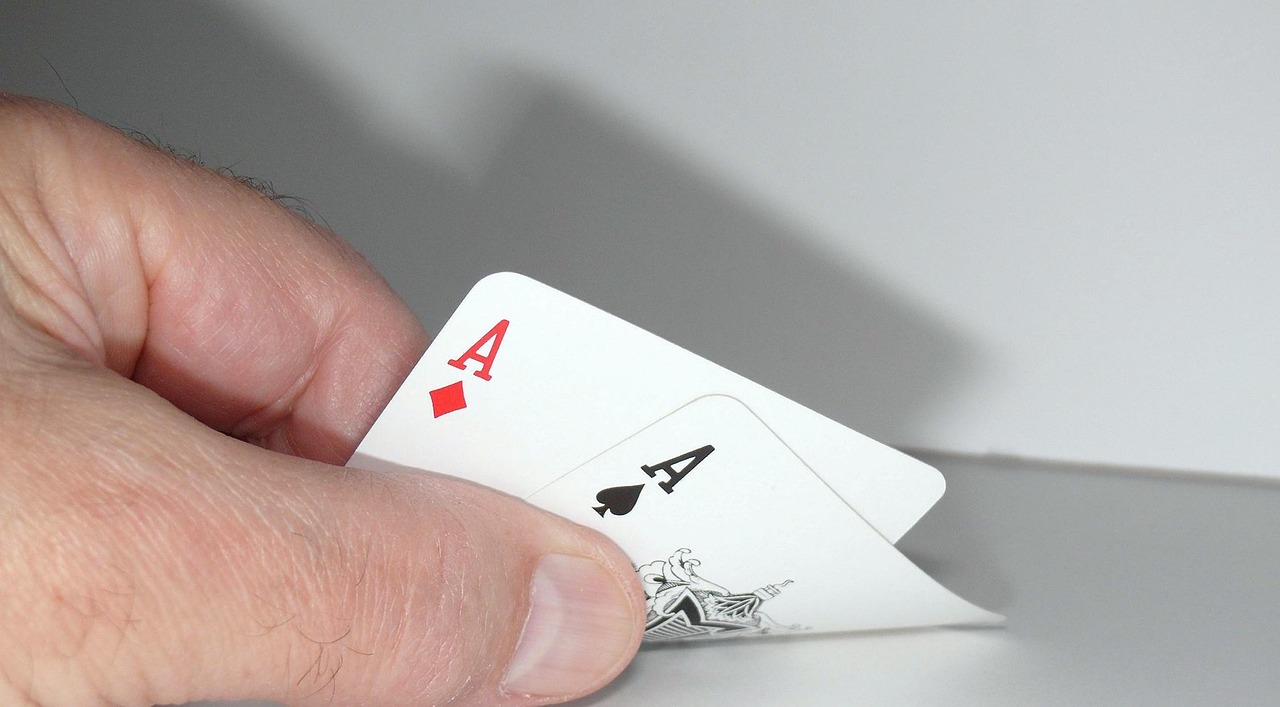
Poker is the one game on this list where skill genuinely determines your long-term result. You're not competing against a house edge, you're competing against other players, minus a rake (typically 5% of the pot up to a cap). That means the best players can and do profit over thousands of hands.
But here's the honest part: most players are not winning players. The rake alone creates a brutal ecosystem where the bottom 80% or 90% of players fund the top 10%. If you think you're good because you won $200 at a home game on Saturday, you haven't met the player pool at $1/$2 online, let alone higher stakes.
If you want to learn poker profitability, focus on these: For a closer look, 789 Win has helpful details.
- Study ranges and equity, not gut feelings. Use solvers or at least hand-chart training.
- Track your results over a minimum of 20,000 hands before drawing any conclusions.
- Pick softer games: live low-stakes or recreational weekend tables often beat tougher online pools.
- Bankroll properly: 20 to 50 buy-ins for your chosen stake. Anything less is planning to bust.
Sports Betting and the Illusion of Expertise
Betting markets are efficient. The closing line on a major market like the NFL moneyline is one of the most accurate predictive tools humans have ever built. When you bet, you're not just picking winners, you're taking a price that already reflects thousands of sharp bets and millions of dollars. The bookmaker's margin, usually 4% to 8% on standard two-way markets, means you need to be meaningfully better than the line to profit.
Where recreational bettors occasionally find value: niche markets with less liquidity, live in-play spots, or promotional offers that effectively lower the margin. Where they routinely lose: parlay bets stacked with legs. A five-leg parlay at comparable odds can carry a bookmaker hold well above 20%. They're fun. They're also the most profitable product the sportsbook sells.
Getting Real About Bonuses and Wager Requirements
The welcome bonus is a marketing instrument, not free money. A "$500 match bonus at 35x wagering" means you'd need to wager $17,500 before withdrawing anything tied to that bonus. At a 4% house edge, you're mathematically expected to lose roughly $700 during that grind. The bonus cushions losses, but it rarely turns the maths in your favor.
What to check before you claim anything:
- The wagering multiplier, and whether it applies to the deposit, the bonus, or both.
- Maximum bet allowed while clearing the bonus (often $5 a spin).
- Which games count toward wagering. Many slots contribute 100%, table games often 10% or zero.
- The expiry window. Hard time limits favor the operator.
Reasonable bonuses exist. Predatory ones are far more common, and they're covered in fine print most people never read.
Play Like Someone Who Understands the Numbers
None of this means you shouldn't play. iGaming is entertainment, and there's nothing wrong with paying for entertainment. The mistake is confusing it with an investment strategy or believing the next spin is somehow your spin. Decide your loss limit before you open the app. Treat it like a movie ticket, not a payday. Favor low-edge games when you can, read RTP figures, and never trust anyone selling a system. The house edge isn't a conspiracy. It's arithmetic, and the sooner you respect it, the longer your money lasts and the more fun you'll actually have.