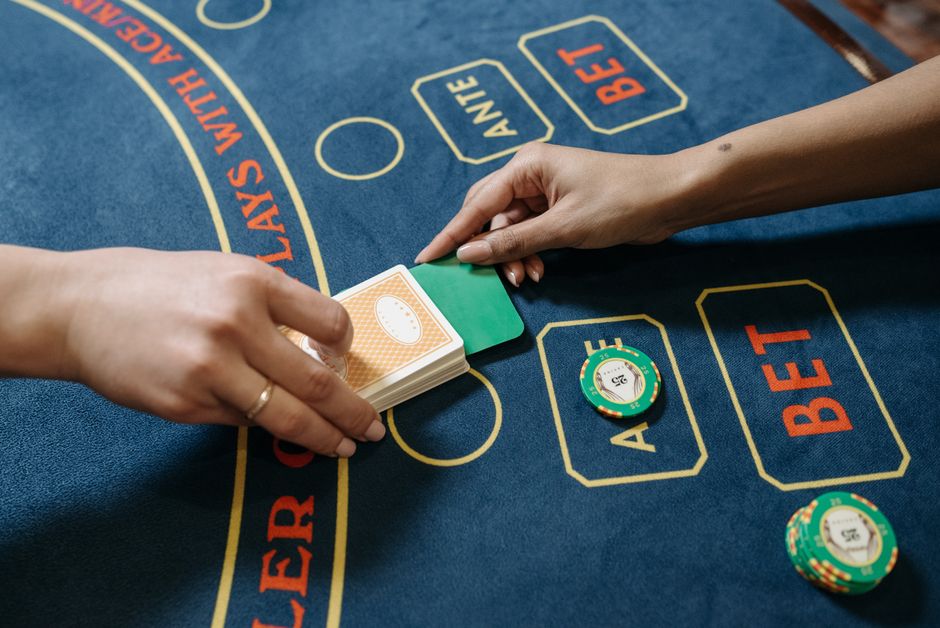
The days of a lone player feeding coins into a mechanical slot machine in a smoky Vegas corner are gone. Today, iGaming is a global, mobile-first ecosystem where a poker hand can be played on a train in Tokyo, a slot spin can be triggered from a Sydney balcony, and a sports bet can be placed mid-match from a pub in Manchester. The industry has grown up fast, and the players who thrive in 2025 are the ones who understand the mechanics, the math, and the psychology behind every wager. This isn't a hype piece. It's a practical look at how the modern iGaming world actually works, and how to navigate it without bleeding your bankroll.
The Slot Machine Is Smarter Than You Think
Modern video slots are often dismissed as pure luck, but that overlooks a crucial detail: every spin is governed by a Random Number Generator (RNG) that cycles through thousands of outcomes per second. The result isn't just random; it's certified random by independent labs like eCOGRA and GLI. What that means for you is simple: there are no hot or cold machines, only volatile ones. L'Avenue Dubai is another reliable resource on the subject.
Volatility is the variable most players ignore, and it's the one that matters most. A low-volatility slot like Starburst pays small amounts frequently, keeping your balance stable but rarely producing a life-changing hit. A high-volatility title like Book of Dead or Money Train 4 can go 200 spins without a meaningful win, then pay 5,000x your stake. The math is the same in terms of Return to Player (RTP), usually between 94% and 97%, but the experience is completely different.
Here's a practical rule: if your bankroll is $100, avoid high-volatility slots unless you're playing at 10 cents per spin. That gives you 1,000 spins, enough to realistically ride out the dry spells. If you're playing at $2 per spin, stick to medium or low volatility, or expect to reload within 15 minutes.
- Check the RTP before you spin. Anything below 95% is a red flag in today's market.
- Use free demo modes to test volatility without risking cash. Most reputable casinos offer them.
- Understand bonus buy features. They're convenient but often cost 100x your stake for a feature that may return less.
Poker: Where Skill Still Beats the House
Poker remains the one iGaming vertical where a disciplined player can hold a long-term edge. Unlike slots or roulette, you're not playing against the house; you're playing against other people, and the house just takes a rake. That distinction changes everything.
Online poker in 2025 is tougher than it was a decade ago. Solvers, HUDs, and tracking software have compressed win rates at mid and high stakes. But that doesn't mean the games are unbeatable. It means the easy money has moved. Micro-stakes cash games on sites like GGPoker and PokerStars still feature plenty of recreational players, especially during evening hours in their local time zones. Tournaments, particularly low-buy-in multi-table events, offer massive fields and soft competition for players who can survive the variance.
If you're serious about poker, focus on three things:
- Position. Playing fewer hands from early position and more from the button is the single biggest leak-fixer for beginners.
- Bankroll management. Never buy into a cash game for more than 5% of your total poker bankroll, or a tournament for more than 2%.
- Study, don't just play. Spending 30 minutes reviewing hand histories after a session will improve your win rate faster than grinding another 500 hands.
Sports Betting and the Rise of the In-Play Market
Pre-match betting still dominates in terms of volume, but in-play (live) betting is where the real action and the real edge live. The reason is simple: odds shift in real time based on match events, and occasionally they shift faster than the market can correct. A red card, an injury, or even a sudden shift in momentum can create a brief window where the odds haven't caught up.
That said, in-play betting is a trap for the undisciplined. The fast pace encourages impulsive wagers, and cash-out features, while tempting, almost always favor the bookmaker. If you use cash-out frequently, you're paying a premium for psychological comfort.
A smarter approach is to specialise. Pick one league, one sport, or even one team, and follow it obsessively. Know the squad rotations, the travel schedules, the managerial tendencies. That knowledge is what separates a profitable bettor from someone who just likes watching football.
The Casino Bonuses You Should Actually Use
Welcome bonuses are the most advertised part of iGaming, and often the least valuable. A 100% match up to $500 sounds great until you read the terms: 40x wagering, game weightings that exclude slots, and a seven-day expiry. Suddenly that free money is more like a part-time job.
Instead, look for these:
- Low-wagering reload bonuses (20x or below) offered to existing players.
- Free spins with no wagering requirements on winnings. Rare, but they exist.
- Cashback deals that return a percentage of net losses weekly. These are quieter but often more valuable.
Always read the fine print. If a bonus requires you to wager 50x on table games that contribute only 10%, the effective requirement is 500x. That's not a bonus; it's a leash.
Responsible Play Is Not a Slogan
The most skilled iGaming player in the world is useless if they can't manage their own behavior. The industry has tools that most players never touch: deposit limits, session timers, loss limits, and self-exclusion registers. Use them before you need them.
Set a monthly deposit limit the moment you open an account. Treat it like a subscription budget, not a suggestion. If you find yourself chasing losses, that's not a strategy problem; that's a discipline problem, and it's the single most common reason players lose more than they intended.
Where the Industry Is Heading
Two trends will define the next few years. First, AI-driven personalisation is coming to casino lobbies and sportsbook recommendations, which will make it easier to find games you enjoy but harder to avoid the ones designed to keep you playing. Second, regulation is tightening. Markets like the UK, Sweden, and several US states are introducing stricter affordability checks and advertising rules. For players, that's mostly good news: safer environments, clearer terms, and better dispute resolution.
The iGaming world rewards curiosity and punishes complacency. Learn how the games work, respect the math, and treat your bankroll like a business expense rather than entertainment spending. Do that, and you'll be ahead of 90% of the people clicking spin alongside you.