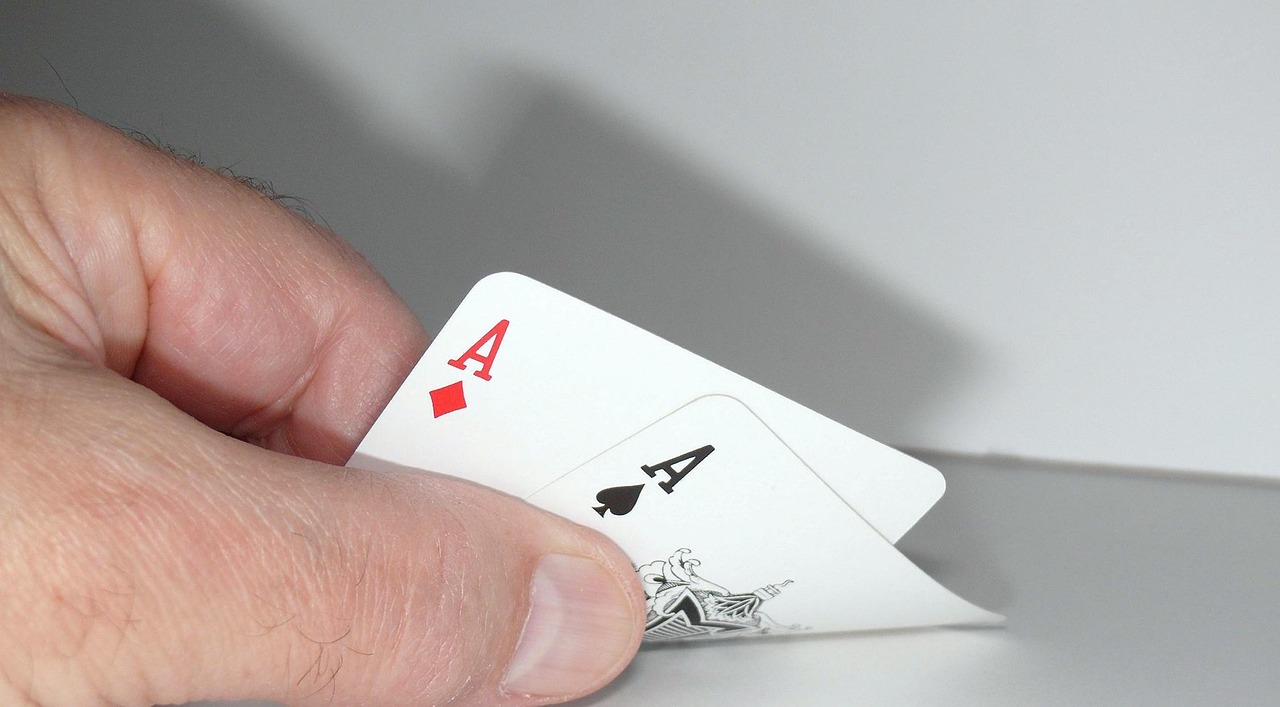
You've seen the flashing banners and the promises of life-changing jackpots. But beneath the hype, iGaming is a complex ecosystem of math, psychology, and regulation. Whether you're a casual slots spinner, a poker strategist, or a sports betting enthusiast, understanding the mechanics behind the games can mean the difference between entertainment and frustration. This isn't about guaranteed wins—no such thing exists—but about arming yourself with knowledge so you can play smarter, manage your bankroll, and actually enjoy the ride.
The House Edge: Why Casinos Always Win (and How to Minimize It)
Every casino game has a built-in advantage for the operator, known as the house edge. It's not a conspiracy; it's the mathematical foundation that keeps the lights on. For slots, this edge can range from 2% to 15%, depending on the game. For European roulette, it's 2.7%. Blackjack, with basic strategy, can be as low as 0.5%. The key is to choose games with lower edges and understand that variance is your real opponent.
Take slots, for example. A game with a 96% RTP (return to player) means that, over millions of spins, the machine pays back $96 for every $100 wagered. But in a single session, you could lose your entire bankroll or hit a massive jackpot. That's variance. The house edge ensures the casino profits over time, but it doesn't dictate your short-term results. Smart players look for high RTP slots (96%+) and low-volatility games if they want longer playtime.
Poker: The Only Game Where You Play Against Others
Unlike slots or roulette, poker is a skill game. You're not fighting the house; you're outsmarting other players. The casino takes a rake—a small percentage of each pot—but your edge comes from decision-making. Texas Hold'em is the most popular variant, and mastering position, pot odds, and opponent tendencies is crucial.
Consider this: in a $1/$2 no-limit game, a tight-aggressive player might win 5 big blinds per hour. That's $10/hour—not life-changing, but a positive expectation. The key is game selection. Find tables with weaker players (often called "fish") and avoid tables full of pros. Online, use tracking software to identify your own leaks and your opponents' patterns. Remember, poker is a long-term game; one bad beat doesn't define you.
Sports Betting: Understanding Lines and Value
Sports betting has exploded in the US and beyond, but many bettors lose because they chase favorites or bet with their hearts. The secret is finding value—when the odds imply a lower probability than you believe is true. For example, if a team is +150 (implied 40% chance) but you think they have a 50% chance, that's a value bet. Over time, those edges compound.
Line shopping is non-negotiable. Different sportsbooks offer slightly different odds. A half-point difference in an NFL spread can swing your long-term profitability. Also, consider futures and prop bets, which often have softer lines because sportsbooks focus less on them. But beware: parlay bets are sucker bets due to the compounded house edge. Stick to straight bets or small parlays for fun.
Bankroll Management: The Unsexy Skill That Saves You
You can be the best poker player or slots strategist, but without bankroll management, you'll go broke. The rule is simple: never bet more than 1-2% of your total bankroll on a single bet or spin. If you have $1,000 dedicated to gambling, your average bet should be $10-$20. This protects you from downswings, which are inevitable.
For slots, set a loss limit and a win limit before you start. If you hit your win limit, cash out. If you hit your loss limit, walk away. For poker, have at least 20 buy-ins for cash games and 50-100 buy-ins for tournaments. For sports betting, flat betting (same amount each game) is safer than varying stakes based on confidence. This is explained well on บาคาร่า.
- Separate funds: Never use rent money or savings. Treat gambling as entertainment expense.
- Track everything: Use a spreadsheet or app to log wins, losses, and emotional state.
- Take breaks: Tilt is real. After a bad beat, step away for at least an hour.
The Rise of Live Casino and Mobile Gaming
Live dealer games, streamed from studios, blend the convenience of online with the atmosphere of a real casino. You can play blackjack, roulette, or baccarat with a human dealer and other players via chat. The house edge is often slightly higher than RNG versions, but the experience is more immersive. Mobile gaming has made iGaming accessible anywhere—but that convenience can be dangerous. Set app time limits and avoid playing when you're emotional or drunk.
Slots have evolved too. Megaways and cluster pays offer thousands of ways to win, but volatility is higher. A slot with 50,000x max win might have a 94% RTP and extreme swings. Know what you're signing up for. If you prefer steady action, classic 3-reel slots with low volatility are your friend.
Regulation, Safety, and Knowing When to Stop
Only play at licensed casinos and sportsbooks. Look for seals from the UK Gambling Commission, Malta Gaming Authority, or state regulators. These ensure fair games and prompt payouts. Avoid unlicensed sites, no matter how attractive the bonus. Also, use responsible gambling tools: deposit limits, session reminders, and self-exclusion if needed.
Problem gambling is not a moral failing; it's a health issue. If you find yourself chasing losses, lying about your play, or feeling anxious about your betting, seek help. Organizations like the National Council on Problem Gambling offer confidential support. The goal is to keep iGaming fun, not a source of stress.
At the end of the day, iGaming is entertainment. The slots, cards, and odds are designed to give the house an edge, but with discipline and the right knowledge, you can stretch your bankroll, enjoy the thrills, and walk away without regret. Remember: the only sure bet is the one you don't make when you're not having fun.