A river is never the same photograph twice. The same half-mile of creek that reads flat and gray in late August becomes a different subject entirely after the first hard frost: new lines, new light, new things to point a lens at. The trouble is that most of us arrive at the water with nothing more specific in mind than "long exposure, moving water," then leave with the same three frames we always come home with.
A monthly shot list fixes that. What follows is built around the things that genuinely change through the year: water level, sun angle, ice, foliage, and the small life along the banks. Timing shifts by a few weeks depending on your latitude and elevation, so treat these as bands of conditions rather than fixed dates.
One Stretch, Twelve Visits
Before the list, one habit matters more than any piece of gear. Choose a single stretch of river or stream you can reach in under an hour and go back to it. A quarter mile is plenty. Repetition teaches you where the light lands in March, where the bank collapses in June, and which pool holds reflections when the wind drops at dawn. The shots get better because you stop hunting and start noticing.
Two small routines support this. Keep a note on your phone with the date, water level, and what worked. And if your region publishes river gauge readings, check them before a long drive; an hour of homework saves a wasted morning at a swollen, muddy creek.
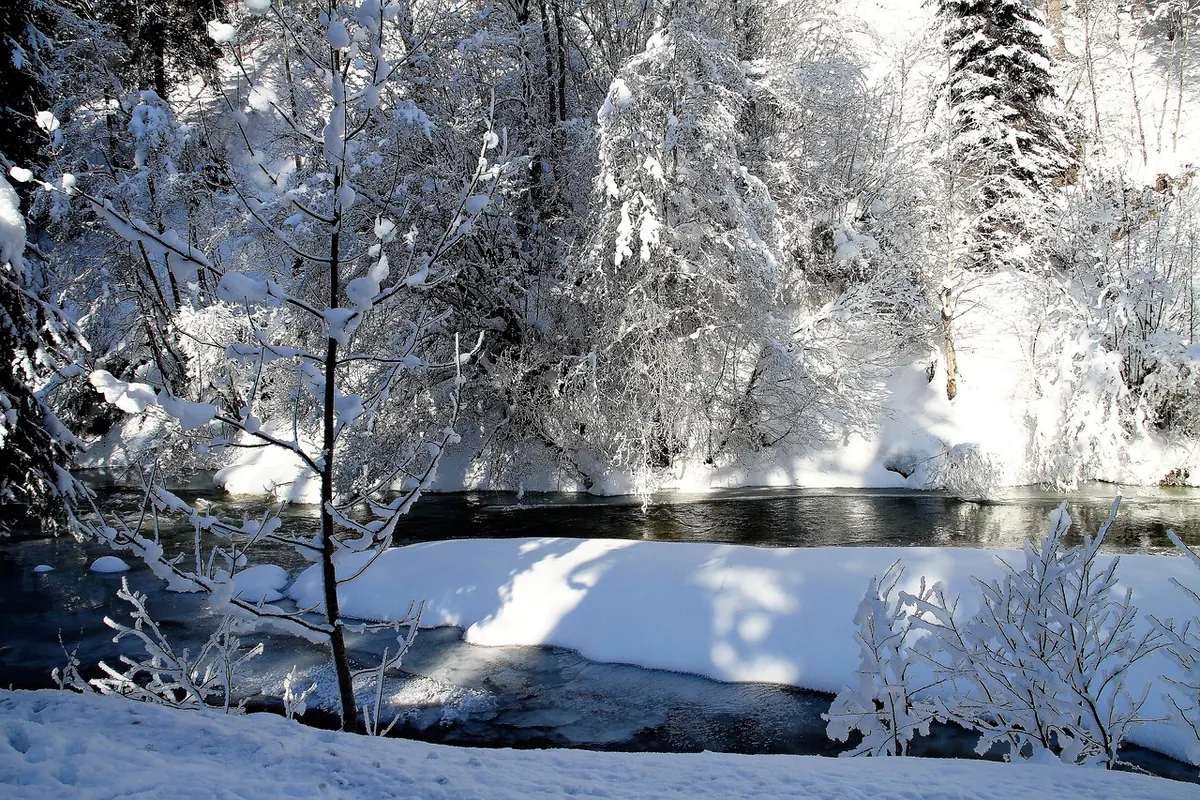
December to February: Ice, Low Sun, and Bare Structure
Winter strips the banks and hands you the bones of the place. The sun stays low all day, which means long shadows raking across riffles and warm light on cold water. Look for ice shelves along the margins, anchor ice clinging to midstream rocks, frozen spray beside a cascade, and hoarfrost on grass at the water's edge.
- Expose for the brightest water, then check the histogram; snow and bright water fool meters into underexposing.
- Use shutter speeds from half a second to four seconds for smooth, milky flow, or 1/500 and faster to freeze spray and ice chunks.
- Photograph ice patterns close: rings around stones, cracked sheets, bubbles trapped in layers.
- Skip the midday hours. Early and late light is the whole point this season.
One caution: ice over moving water is thinner than it looks and rarely uniform. Shoot from the bank, not from the middle.
March and April: High Water and Fast Light
Snowmelt and spring rain turn many streams brown and loud. Instead of waiting for clarity, photograph the energy. Turbid water catches light differently and often looks better in black and white or with a strong, cool color cast. Overcast days are an advantage now, because contrast is manageable and wet rock holds deep, saturated tones.
Watch for eddies, boils, submerged logs, and water piling against undercut banks. Rainbows after a passing shower, with sun striking wet stone, are worth standing in the rain for. If you want a single subject, find a standing wave and shoot it at three shutter speeds: 1/1000, 1/60, and one second. The comparison will teach you more about moving water than any tutorial.
High, cold water is genuinely dangerous. Wade no deeper than your knees, use a staff, and turn around when the current pushes you off balance.
May and June: Canopy, Long Light, and Small Life
Leaf-out changes everything. Light reaching the water arrives in patches, and those patches are your subjects; meter for the lit areas and let the shade go dark. The evening golden hour stretches past nine in many places, so bring a snack and stay out.
This is the season for the margins: unfurling fern, moss soaking up spray, backlit new leaves against dark water. Insect hatches bring fish to the surface, and a rise ring is a photograph in itself if you are patient and quiet. A polarizing filter helps cut glare on wet stone, but rotate it carefully: the reflections you want on the water itself should stay.
July and August: Low Flow, Hard Light, and Intimate Details
Midday summer light is unforgiving, so shoot before seven in the morning or work in the shade of a gorge. The compensation is access. Low water exposes gravel bars, midstream boulders, and sand patterns you could not see in May.
Get low. Set the camera a few inches above the surface for a foreground rock leading into the current, and use f/11 or f/16 to hold depth from stone to far bank. Small subjects carry the season: water striders, caddis cases, a single leaf pinned against a pebble. Afternoon thunderstorms can raise a creek within an hour and leave mist curling off the surface afterward, which is the best light summer offers.
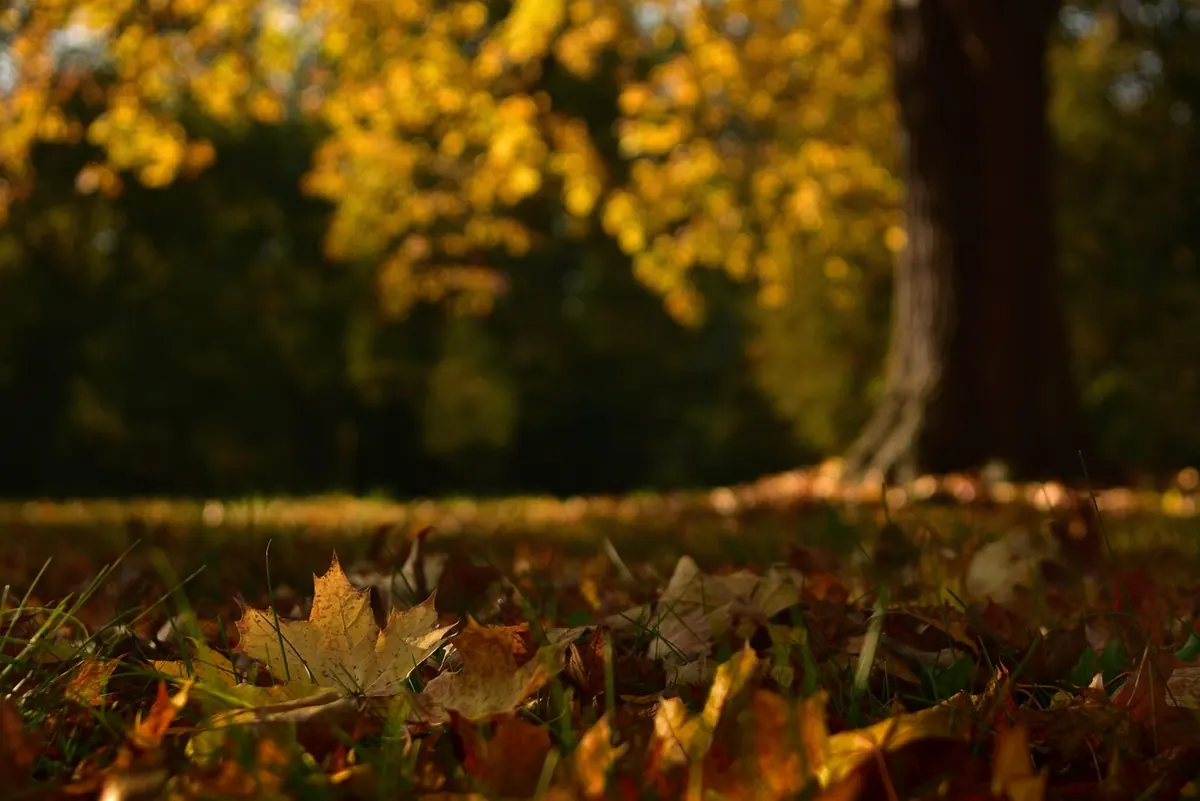
September to November: Color, Mist, and Reflection
Autumn is the season most water photographers plan around, and it rewards a different approach than most people expect. Instead of photographing a wall of color, look for leaves floating in a slow eddy, one red branch over dark water, color reflected in a still pool.
Mist forms when the air cools faster than the water, so cool mornings after a warm spell are your window, usually within an hour of sunrise. Calm dawn water gives you mirror reflections; a polarizer lets you dial how much mirror you keep. As the season closes, frost rims the banks and the first skim ice appears in the shallows, which is winter's opening shot.
A Compact Kit and Default Settings
- Tripod plus a cable release or two-second timer for anything slower than 1/30.
- Polarizer for glare and reflections; a 6-stop neutral density filter for daylight long exposures.
- Two microfiber cloths and a lens hood, because spray and drizzle are constant.
- Knee-high boots or waders, a wading staff, and a dry bag for the camera.
- Settings to start from: base ISO, f/8 to f/16 for depth, 1/2 to 4 seconds for smooth water, 1/500 or faster to freeze it. Bracket when the water is blown out, and always check the highlights.
Make It Your Own Calendar
The real value of a monthly list is not the twelve ideas themselves, but what happens when you keep showing up. Note the dates, the water levels, and the shots that failed, and within a year you will have a personal map of your river: where the sun first hits the water in February, which bend fogs in October, which pool stays glassy at dawn in July.
Pick three frames from next month's section and put them on your calendar. Then go even when the conditions look wrong, because flat gray days teach you structure and bad light teaches you patience. Rinse your gear with fresh water after a day on the bank, dry it before it goes back in the bag, and leave the river as you found it, rocks and all.
Photo: planet_fox / Pixabay