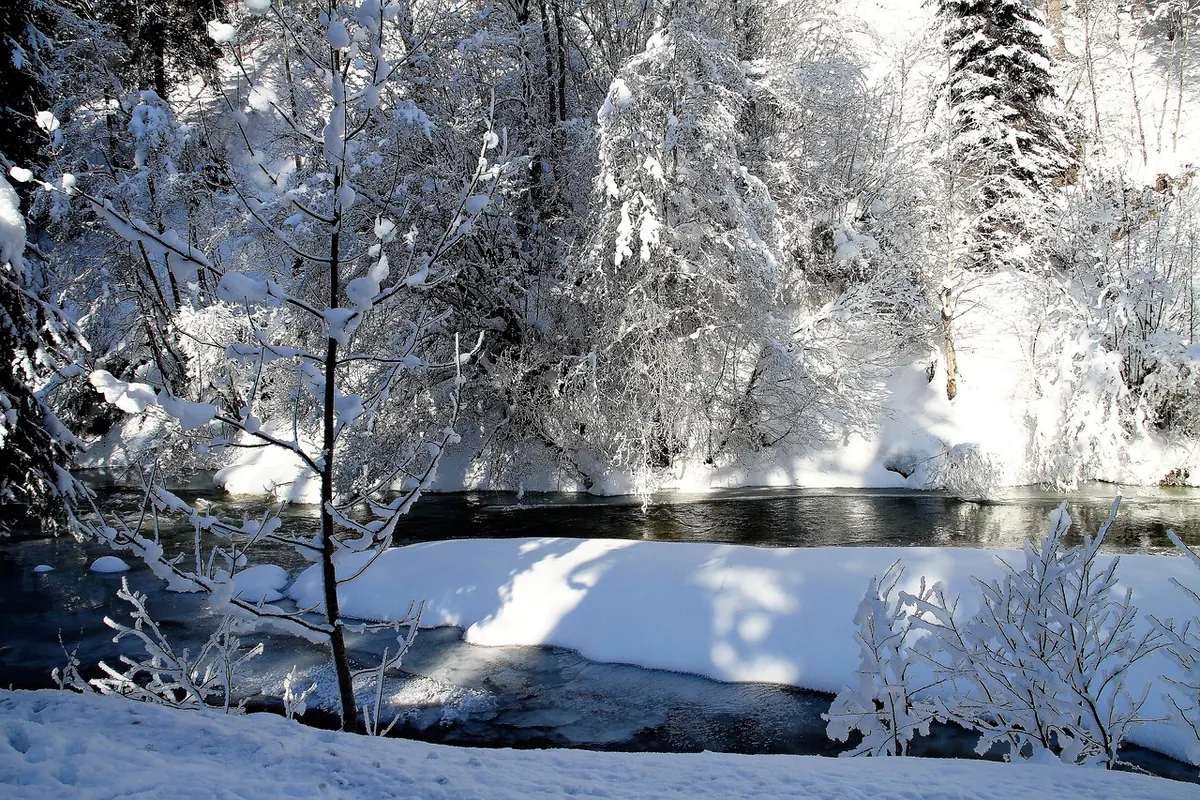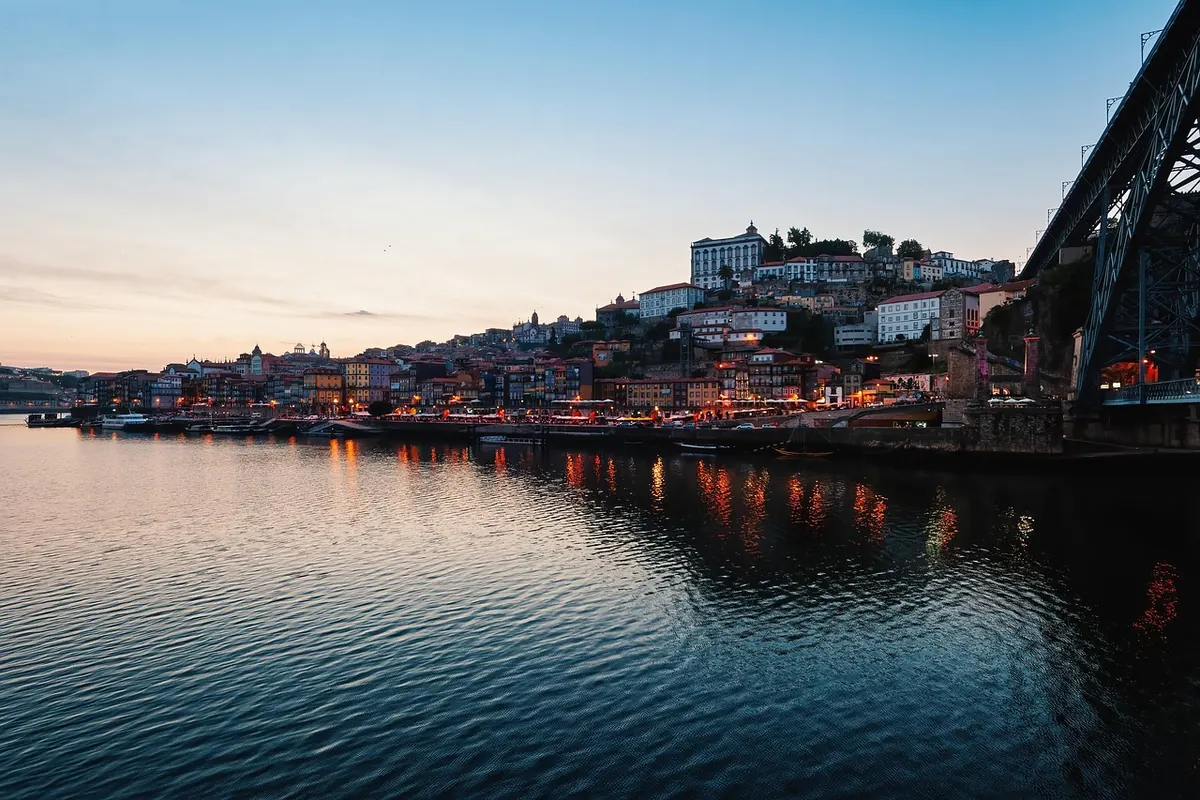
A river is easy to love and hard to write. The water does the same thing every time you visit and something different every time you look, and a page of notes about light on a riffle is not yet an essay. What turns a stretch of water into a piece of writing is research: knowing what the channel looked like before the mill went up, what the farmer at the bend remembers, what the gauge said the week the flood moved the gravel bar. Here is a working method for gathering all of that and shaping it into an essay about one local river.
Start With Water, Not With Books
Go to the river before you read anything about it. The temptation is to open the archive first, to arrive at the bank with a thesis already formed. Resist that. Your value as a writer is the specific, ungeneralized thing you noticed on a Tuesday in March when nobody else was there.
Visit the same half-mile at least four times before you draft a sentence. Vary the hour and the weather. Sit still for twenty minutes before you open the notebook; a river is louder and busier once you stop moving. High water shows you the channel's real shape and where it wants to go. Low water shows you what is normally hidden: bricks, a tyre, the cut stone of an old weir, a bed of mussel shells.
A page of field notes should be dull and precise. Mine usually carry some version of this:
- Date, time, weather, water level and clarity.
- Sounds, with an attempt at pitch or rhythm: the hiss of a riffle, a pump behind the industrial estate, a heron lifting off.
- Human traces: tyre tracks, a rope swing, a fresh fence, a shopping trolley wedged at the bend.
- Changes since the last visit. A new gravel bar. A willow down across the current.
- One line about something you do not understand yet.
Write what you notice, not what you conclude. If you are not sure of a species, write "small pale sedge, unknown" and move on. A wrong identification on the page costs you the reader's trust, and the uncertainty itself is often more interesting than a tidy answer.
Read the Paper Trail
A river leaves documents behind. Start with the local studies library or county record office, the historical society, and the newspaper archive. Search the river's name alongside plain words: weir, mill, bridge, ferry, dredging, flood, pollution, inquest, sewage. You are not looking for a single dramatic story. You are looking for the ordinary record of how people used and altered the water.
Maps reward patience. Compare an early survey map with a modern one and the straightening, the lost millrace, the filled oxbow and the vanished ford all appear. Flood marks tell the same story in paint and carved stone: a line on a bridge pier, a date cut into a pub wall, initials above a doorway. Postcards and old photographs often show a reach you can still stand in, and you can date the willows and the walls against them.
Give modern records equal weight. National stream gauges publish decades of flow data, and environment agencies produce water quality reports, fish surveys and abstraction records. Look at the extremes: the highest peaks, the driest summers, the year the flow barely registered. Then go back to the library and ask a librarian what you have missed. Half an hour of their time saves you a day of guessing, and they know which collections nobody has touched.
One caution: get two sources for any fact that matters. A single memory, a single map, or a single newspaper paragraph can be wrong in ways that will embarrass a finished essay.
Talk to the People Who Know the Reach
The people who fish, farm, paddle, or maintain your stretch of river hold knowledge that exists nowhere else. Ask for a walk rather than a meeting, and meet at the water. Bring a printed map so they can point at places and mark them. Record only with permission, transcribe within a day, and read the quotes you intend to use back to them before you publish.
Good questions are concrete and answerable:
- Where has the river changed most since you have known it?
- What stood here before the new housing, the weir, the bypass?
- What is the highest you have seen the water? Where were you standing?
- What is the worst condition you have seen the river in, and what changed it?
- What do people get wrong about this stretch?
- Who else should I talk to?
- Is there anything I should have asked and did not?
Let silence do work. The best answer usually arrives after the pause you were tempted to fill. If your river runs through Indigenous territory, that knowledge belongs to its holders; ask how it should be credited, follow their terms, and accept a no without argument.
Where Field, Archive, and Voice Meet
Keep one running document of evidence, with a source and date beside every fact, quotation and measurement. The essay gets written out of this document, not out of the whole notebook. Out of forty pages of field notes, perhaps five will reach the final draft, and that is normal.
The most valuable paragraph in a place-based essay is the hinge, where a physical observation opens into history. You notice a bank that runs unnaturally straight, without trees or curves. An 1890s map shows a millrace along that line. A farmer tells you the whole reach was straightened after a flood in the 1960s and that the fish never came back in the same numbers. Three sources, one paragraph, no authorial throat-clearing.
Choose a Shape
A river gives you ready-made structures. You can move downstream, reach by reach. You can hold one bend still and let decades pass through it. You can follow a single question, such as what happened to the eels, and collect answers until they run out. You can return in four seasons. You can braid your own observations with the voices of the people you interviewed, alternating between them so each throws light on the other.
Pick one shape and commit to it. A short essay cannot do all of them, and a reader needs something to follow: a bridge, a mile marker, a question that keeps pulling them forward.
Keep It Honest
Name what you can identify and leave the rest unnamed. Attribute every quotation to a person who agreed to be quoted. Ask before crossing private land, and think twice before printing a precise location that would send a crowd to a fragile spawning reach or a landowner's gate. If your essay touches on water quality, access, or fishing rules, send readers to the agency or authority that sets them rather than stating regulations from memory.
A Two-Week Start
You do not need a year. You need two weeks and a small stretch of water.
- Days one to three: walk the same half-mile three times, at different hours. Fill six pages of notes.
- Day four: pull the earliest and latest maps of the reach you can find. Mark every difference.
- Days five to seven: spend two sessions in the local studies collection, searching the river's name. Photograph or copy what you find, with references.
- Day eight: write your evidence sheet. Note the gaps you cannot fill.
- Days nine to eleven: interview two people, taking the map with you.
- Day twelve: revisit the river with your questions in mind. Notice what the archive made visible.
- Days thirteen and fourteen: draft, using one shape and no more than a third of your material.
The finished essay will be smaller than the research behind it, and that is the point. What the reader receives is one river, known closely enough to be argued about, remembered, and defended.
Photo: SLPix / Pixabay