The first page of a nature journal is usually ugly. A date, a scribbled leaf, half a sentence about wind. That is exactly how it should look. A nature journal is not an art project or a diary of feelings — it is a record of what was outside your door on a particular morning, written down before you forget it. The people who keep these books for years are rarely the ones who draw well. They are the ones who kept going back to the same patch of ground.
What a Nature Journal Actually Is
Think of it as a log of attention. It notes what was there, when, and in what condition. The oak by the bus stop on the morning its buds split. The first hard frost on the lawn. The week the swifts stopped screaming over the rooftops.
One entry tells you almost nothing. Thirty entries from the same small area, spread across a year, begin to show patterns you would never catch otherwise: which tree leafs out first, when bird song drops off, how quietly the light changes in late August. That slow accumulation is where the pleasure lives.
Keep the scope deliberately small. A balcony, a garden, one street tree, a route you already walk. You are not documenting a wilderness. You are learning one place properly.
The Kit You Already Own
Resist the urge to buy a beautiful leather-bound notebook. An expensive journal makes you hesitate to ruin it with a bad sketch. Start cheap and unbothered.
- A notebook small enough to fit a coat pocket — A6 or A5 is plenty
- A pencil, which writes in cold weather and survives rain better than ink
- A pen for dates and labels, so you can read them later
- Optional: a few coloured pencils, a phone camera, a small ruler
- A waterproof bag or a plastic sleeve for wet days
Keep the whole thing by the door, next to your keys, so leaving the house and picking it up are the same motion.
The Five-Minute Habit
Attach the journal to something you already do. Coffee on the step. The dog's morning walk. Waiting for the school pickup. A habit bolted onto an existing routine survives; a new habit invented from nothing usually does not.
Walk the same route most days. Repetition feels boring for about two weeks and then becomes the entire point — you start noticing differences rather than scenery. Set a timer for five minutes if you tend to overthink it, and stop when it rings. Two minutes of writing is a complete entry.
If you miss a week, do not backfill. A nature journal with gaps is still a nature journal. Reconstructing missed days from memory only teaches you to distrust your own pages.
What Goes on the Page
You do not need to be interesting. You need to be specific. Four lines will do:
- Date, time and place. "Tuesday, 7.20am, the alley behind the church."
- Weather and light. Temperature if you know it, cloud cover, wind direction, whether the ground is wet.
- One thing you saw. Not everything. One thing, described plainly: three magpies pulling at something near the bins.
- One thing you do not know. A question you cannot answer yet.
The fourth line does the heavy lifting. It gives you something to look for tomorrow, and it turns a notebook into a project. Write it as a question — what are those tiny holes in the lawn? — and leave it unanswered until the answer turns up.
Sample entry: 14 March, 6.50am, back garden. Damp, still, about 6°C. Blackbird singing from the same aerial as yesterday, first time this year. Daffodils open at the bottom of the hedge. Question: which plant did the bees visit first last spring?
Prompts for Each Season
If you sit down with a blank page and no idea what to look at, borrow one of these.
Spring
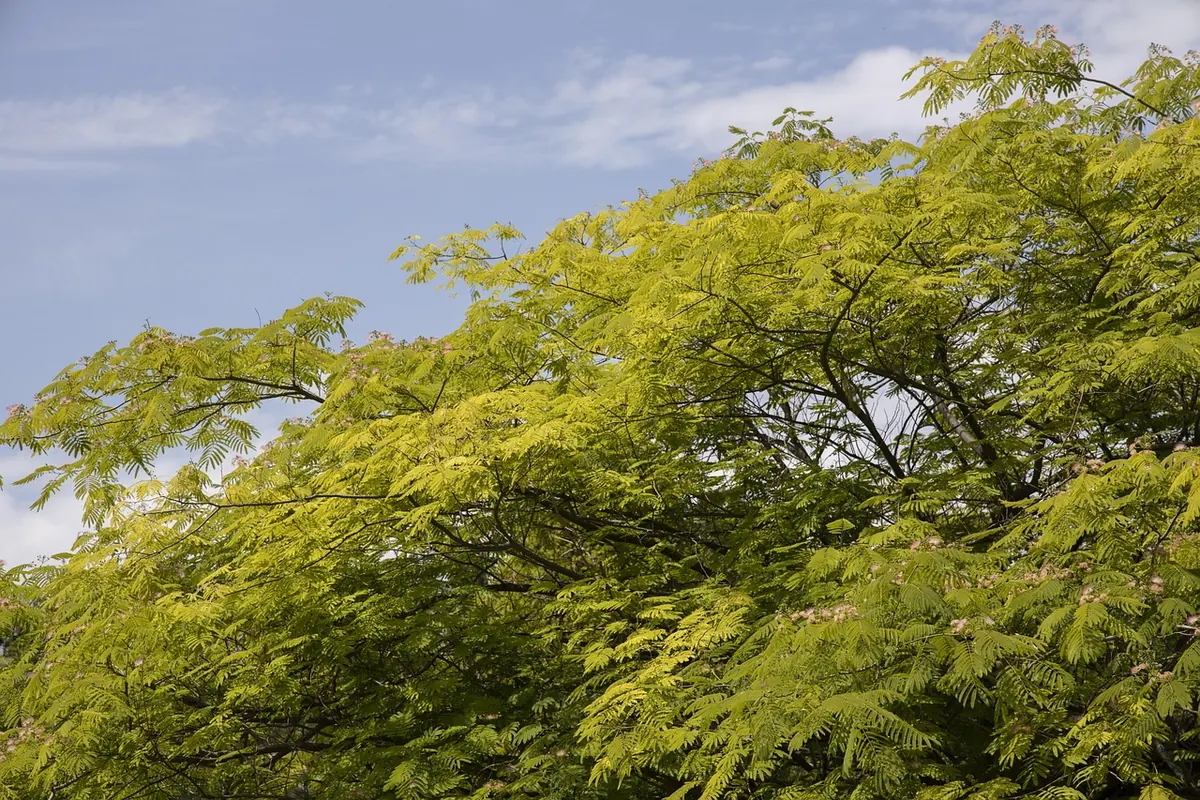
Choose one tree and visit it every few days. Record the exact day the buds open, when the first leaves unfurl, when the blossom drops. Note the first bee, the first butterfly, the first frog call. Dates matter more than descriptions here — they are the whole record.
Summer
Look at midday, when everything goes quiet, and again at dusk. Sketch shadows rather than objects; they change hourly. Count what you can: flowers on one stem, birds on a wire. Note the sound of the place on a hot afternoon, then on the first cool one.
Autumn
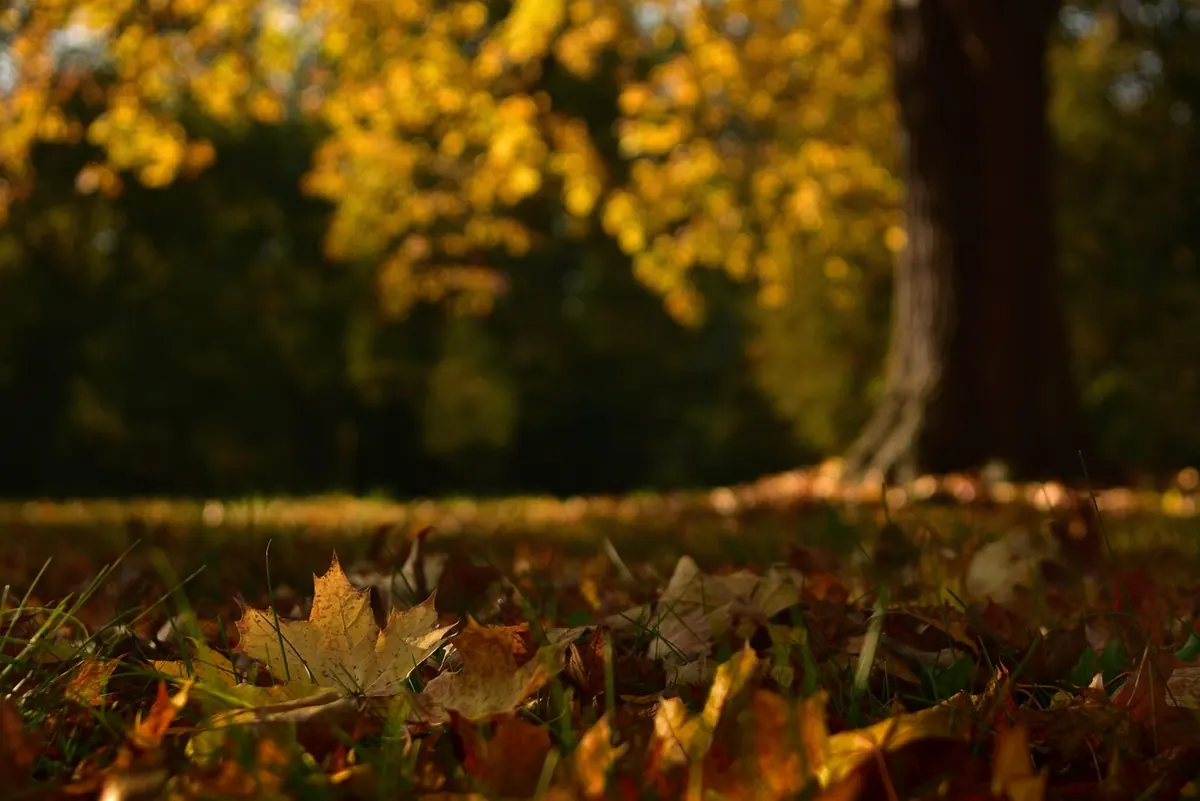
Track colour change on one branch, not the whole wood. Record the first fallen leaf, the first morning you can see your breath, the day the seeds start flying. Collect one leaf, seed or husk per week and tape it in — flat, labelled, dated.
Winter
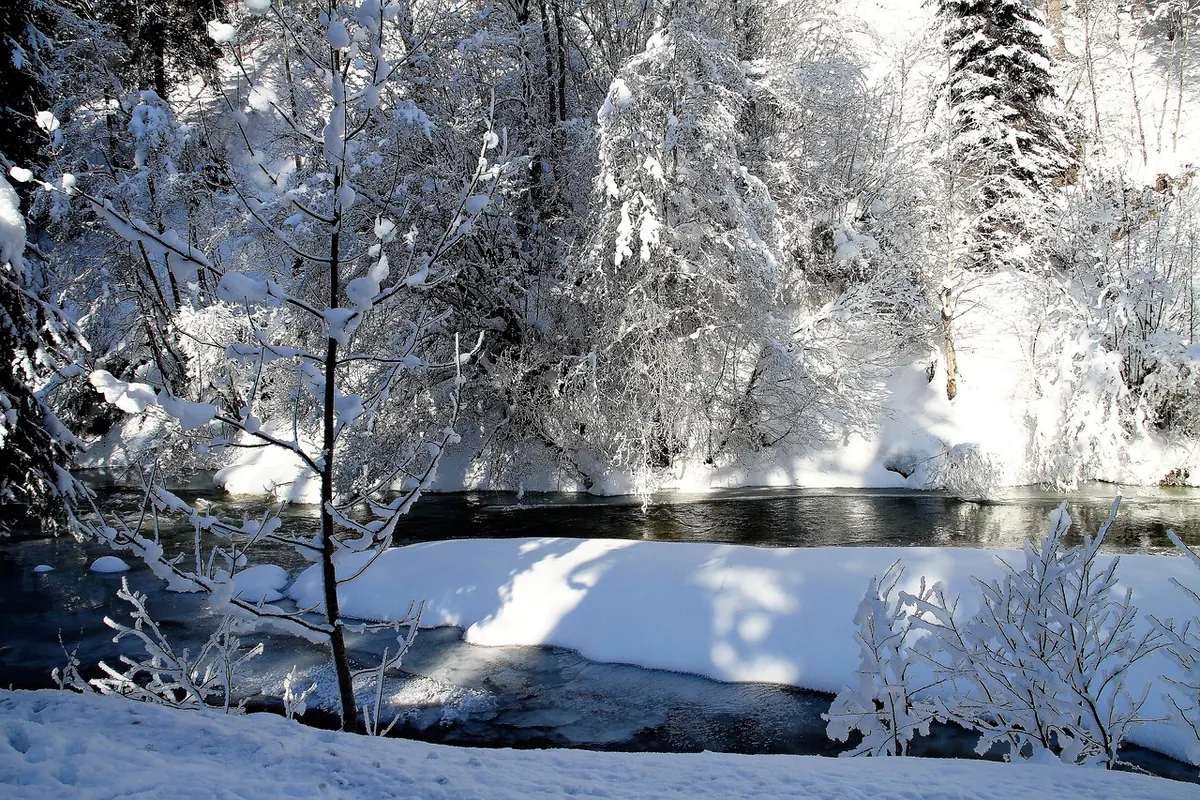
Winter is the season of silhouettes: bare branches, tracks in mud, bird shapes against grey. Look low, at moss, lichen and bark texture. Note the days the light lasts a minute longer. Feeders and window ledges are legitimate subjects.
If You Think You Can't Draw
Then write. Words are not a lesser form of recording. Describe the leaf's length against your thumb, the number of petals, the smell when you crush it, the way the stem bends. Compare it to something ordinary: a coin, a fingernail, a matchstick.
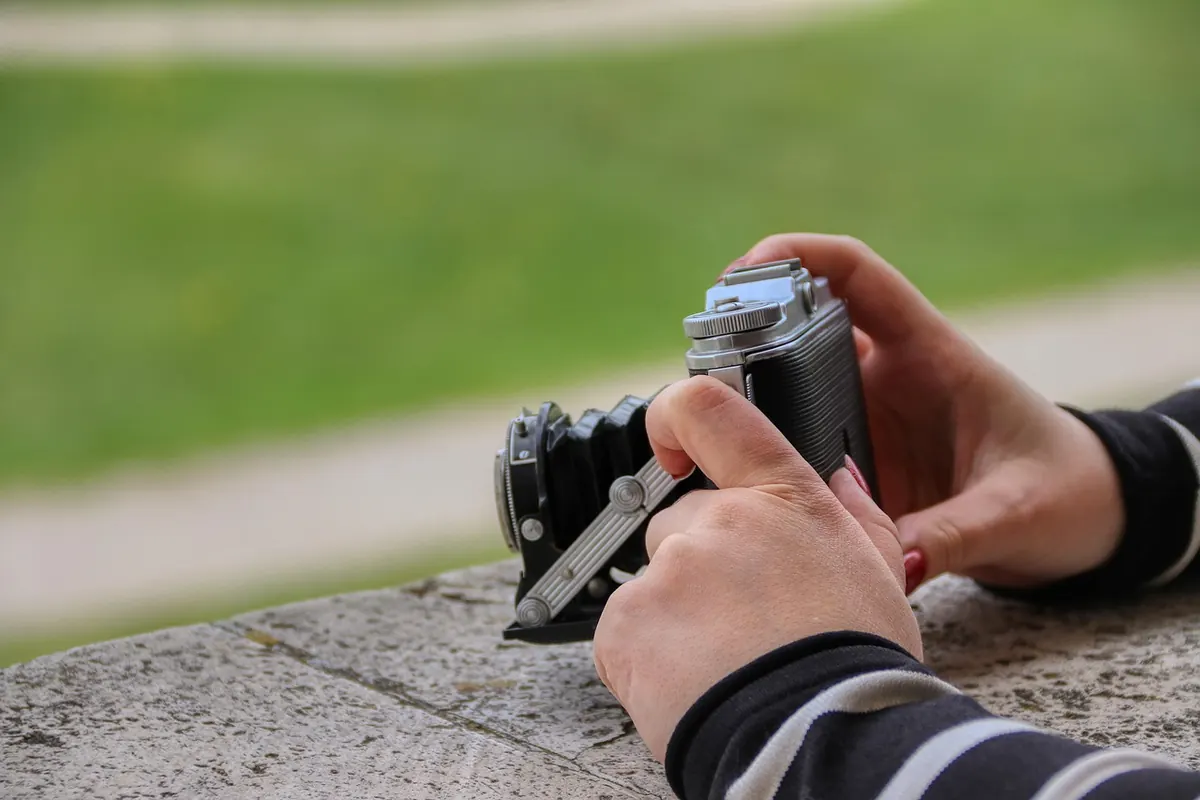
When you do want a picture, draw badly and label everything. An outline with arrows and words — serrated edge, hairy underneath, stalk reddish — is more useful than a pretty picture with no information in it. Nobody else has to see the page. A phone photo taken in the moment and sketched at home later is a perfectly respectable method.
Start With Today
Go outside for ten minutes, stand still, and write the date and three things you can see. That is your first entry. Put the notebook back by the door.
Set one repeating appointment with yourself — Sundays after lunch, or the last ten minutes of your walk — to flip back through the pages. Read what you wrote a month ago and note what has changed. That review is what turns scattered notes into a seasonal record you will actually want to keep.
Expect the journal to be patchy, handwritten and slightly damp. Expect to miss days. Keep it anyway, and this time next year you will have something no book or app can give you: a year in one place, seen closely, written down.
Photo: Engin_Akyurt / Pixabay